

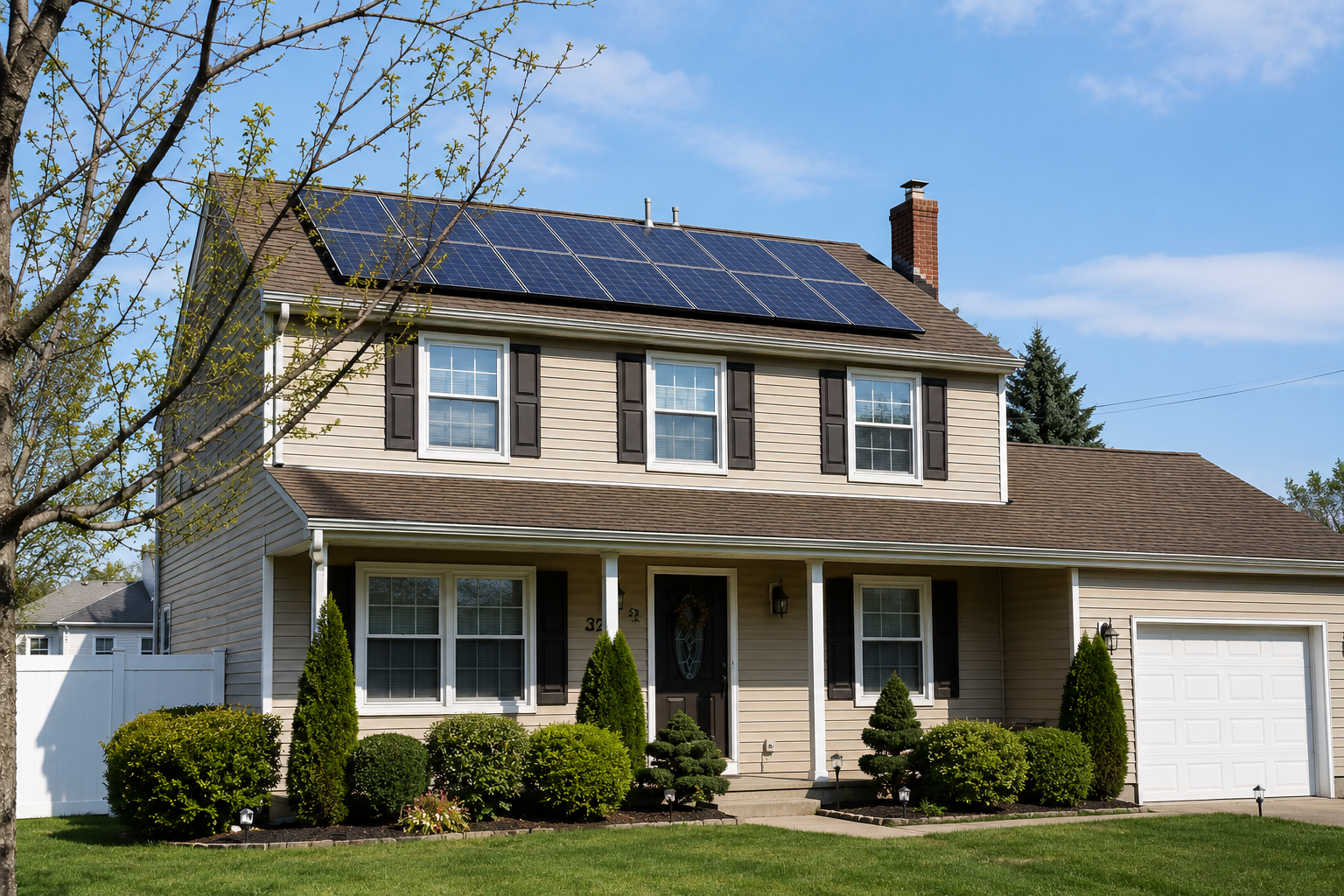
Many homeowners can add more solar panels to an existing system. But it is not always as simple as putting a few extra panels on the roof.
A solar expansion depends on your current equipment, roof space, electrical setup, utility approval, and how much more power your home needs. In some cases, adding panels is fairly straightforward. In others, it may require new equipment, a separate system, or a different plan.
If your electric bills have gone up since your original installation, or your household now uses more power than it used to, here is what to check first.
Why Homeowners Add More Solar Panels Later
A solar system is usually designed around your electricity usage at the time it was installed. But homes change.
You may be using more power now because you added an EV charger, started working from home, installed a heat pump, added a pool or hot tub, finished a basement, or grew your household. Sometimes the original system was also sized smaller than what the home really needed.
Higher electric bills do not automatically mean your system is failing. They may simply mean your energy use has outgrown the system. Before adding panels, compare your current electric usage against your current solar production.
Your Roof Still Has to Have Room
Even if adding panels makes sense on paper, your roof has to support it.
A solar installer will look at how much usable roof space is left after accounting for vents, chimneys, skylights, dormers, shade, roof shape, and required access areas. The best roof sections may already be full, which means new panels may need to go on less productive areas.
That does not always rule out expansion. It just means the new panels may produce differently than the original array.
If there is not enough usable roof space, the installer may look at higher-output panels, a smaller expansion, a separate array, or other ways to reduce grid usage.
Your Existing Equipment Matters
This is where solar expansion can get tricky.
Your current inverter, microinverters, racking, wiring, electrical panel, and monitoring system may or may not be ready for more panels. Some systems have room to expand. Others were designed close to their limit.
Equipment compatibility matters too. New panels may not match the exact panels from the original installation, especially if the system is several years old. Depending on the setup, that may be fine, or it may require a separate design.
That is why a professional review is needed before anyone promises a simple panel add-on.
Utility Approval May Be Required
Adding more solar panels can change the size and output of your system. That may require updated utility paperwork or approval before the expansion can be turned on.
In New Jersey, many residential solar systems are net metered. When your system produces more electricity than the home is using, the excess power can be credited to the utility account. PSE&G explains that excess power returned to the distribution system is credited to the customer’s account, and NJ Clean Energy says net metering can provide retail credit for eligible excess generation.
If your expanded system will produce more electricity than the original approved system, your installer should review interconnection and net metering requirements with your utility.
Incentives and Warranties Can Be Affected
Solar incentives and warranties are another reason not to treat expansion like a quick add-on.
Depending on when your original system was installed, it may be tied to an older SREC structure, TREC, SREC-II, ADI, or another program. Changes to the system may affect paperwork, registration, or production reporting. The details depend on the original agreement and program rules.
Warranties matter too. Adding equipment from a different manufacturer, changing the original design, or using a different installer may affect which parts are covered and who is responsible for service.
This does not mean you should avoid adding panels. It means the paperwork should be reviewed before work begins.
Should You Add Panels or Add a Battery?
If your main goal is to produce more electricity, adding panels may make sense.
If your main goal is backup power during outages, a battery may be the better conversation.
More panels can help your home produce more electricity during sunny hours. A battery stores energy so it can be used later, including during certain outages depending on how the system is designed.
Some homeowners may benefit from both. Others may only need one. The right answer depends on your electric usage, outage concerns, roof space, current system, and budget.
What to Have Ready Before Asking About Expansion
Before calling an installer, gather:
- Your last 12 months of electric bills
- Your solar monitoring login, if available
- The original solar contract or system design
- Inverter and panel information
- Any warranty documents
- Notes about new energy use, such as EV charging or a heat pump
- Any roof changes since the original installation
You do not need to have everything figured out. But the more information you have, the easier it is to tell whether expansion is realistic.
When to Call Solar Me
If you want to add more solar panels to an existing system, Solar Me can review your current setup, electric usage, roof space, and equipment before recommending the next step.
Sometimes that means adding panels. Sometimes it means repairing an underperforming system, restoring monitoring, adding battery storage, or designing a separate expansion.
Thinking about adding more solar panels? Contact Solar Me to schedule a system review and find out what your home can realistically support.
