

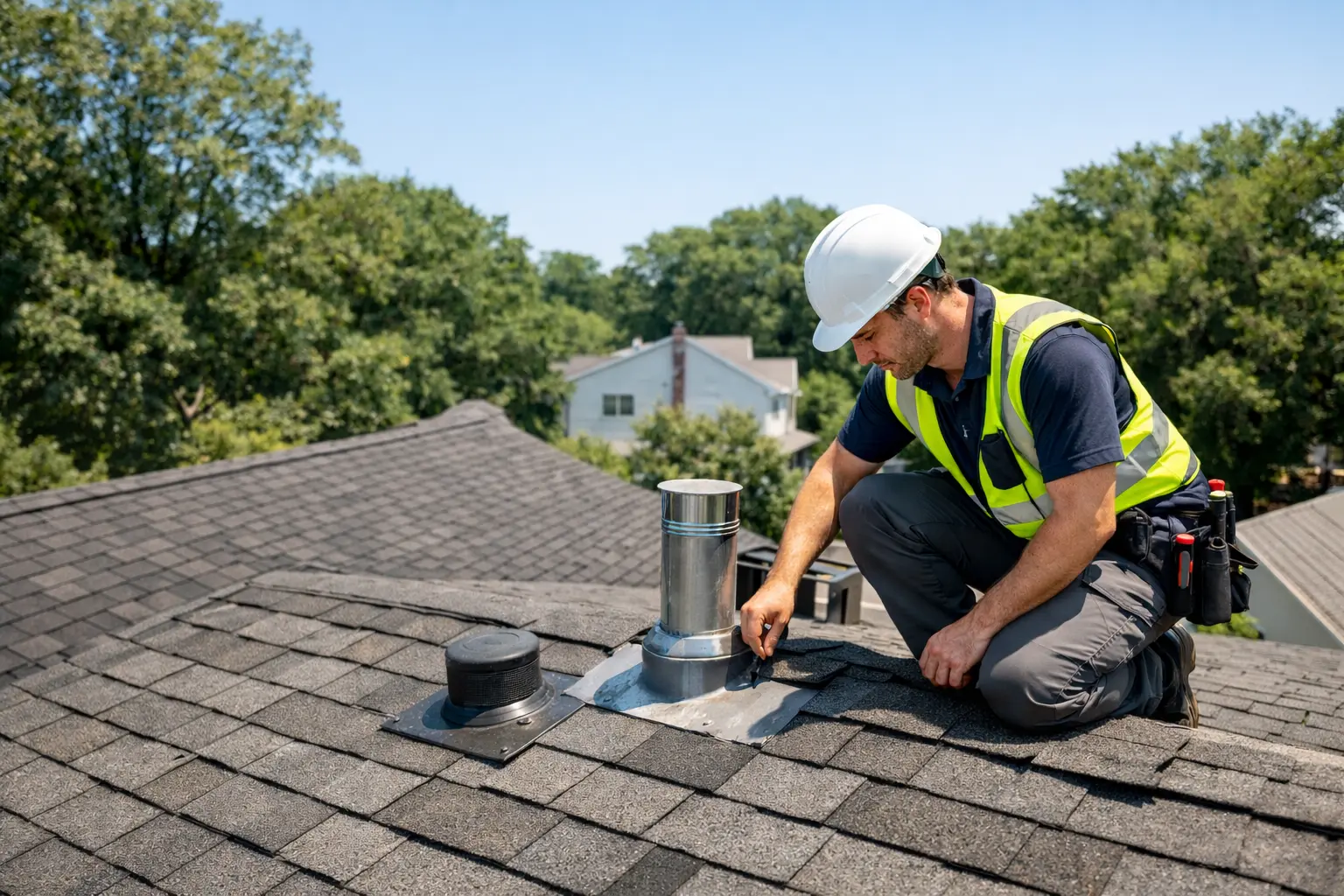
Thinking about going solar? Great decision. But before we talk panels, inverters, and savings, there is one question worth asking first: is your roof actually ready for solar?
Your roof is the foundation of your entire solar system. Getting this right from the start means better performance, fewer headaches, and real long-term savings. Here is what we look at when we assess a roof for solar, and what you can check yourself before we come out for a quote.
How Old Is Your Roof?
This is the first thing we think about. Solar panels are built to last 25 to 30 years. If your roof is already 15 to 20 years old, installing solar on top of it without addressing the roof first can be a costly mistake. Removing and reinstalling panels to replace a worn-out roof down the road adds unnecessary expense and hassle.
A common rule of thumb is: if your roof likely has under about 10 years of life left, plan roof work before solar.
The good news is that we handle both. Solar Me is not just a solar installer. We are a licensed roofing contractor as well, which means we can assess your roof, repair any problem areas, or replace it entirely before your panels go in. One company, one project, one less thing to worry about.
What Material Is Your Roof?
Most roofing materials work well with solar, but some are better than others.
Asphalt shingles are the most common and the most solar-friendly. Installation is straightforward and mounting hardware is widely compatible.
Metal roofs are actually ideal for solar. They are durable, long-lasting, and on standing seam metal roofs, many mounting systems clamp on without any roof penetrations at all.
Tile roofs (clay or concrete) can work, but they require more care during installation. Cracked or broken tiles need to be addressed before panels go on.
Flat roofs are common on commercial properties and can absolutely support solar using tilt-mounting systems to angle the panels correctly.
Cedar shake or wood shingle roofs are often brittle and harder to mount on, and many projects require reroofing before solar can be installed. We will always give you an honest assessment if this applies to your home.
What Is the Condition of Your Roof?
Age is one thing. Condition is another. A 10-year-old roof that has been well maintained may be in better shape than a 7-year-old roof that has taken storm damage or has had deferred maintenance.
Before going solar, watch out for:
- Missing, cracked, or curling shingles — these need to be addressed before installation
- Signs of water damage or soft spots — could indicate underlying structural issues
- Sagging or uneven areas — these affect both safety and panel alignment
- Damaged flashing around chimneys or vents — a common entry point for water that gets worse when penetrations are added for solar mounting
If you spot any of these, do not worry. It does not mean solar is off the table. It just means the roof needs some attention first, and that is exactly what we are here for.
Does Your Roof Get Enough Sun?
A structurally perfect roof that is shaded all day is not a great candidate for solar. Ideally, your main solar-facing surface should receive direct sunlight for the majority of the day, with minimal shading from trees, chimneys, or neighboring buildings.
In the northern hemisphere, south-facing roof surfaces produce the most solar energy. Southeast and southwest-facing roofs are also strong performers. North-facing roof planes usually produce less and are rarely the first choice, but we sometimes use them when the roof pitch is low and the numbers still work.
When we come out for your assessment, we use tools to measure sun exposure at different points on your roof throughout the day and across seasons. You do not have to guess — we will give you a clear picture of your roof's actual solar potential.
Is Your Roof Large Enough?
Most residential panels are around 65 inches by 39 inches (about 5.4 feet by 3.25 feet). A typical system might use anywhere from 15 to 25 panels depending on your energy usage and goals. With required spacing and code setbacks, many homes need roughly 300 to 600 square feet of usable roof area for a layout that size, depending on setbacks and roof geometry.
Skylights, vents, chimneys, and HVAC equipment all take up space and affect how panels can be arranged. We factor all of this into your system design to maximize output within the space available.
What About the Structure Underneath?
Solar panels add weight to your roof, often around 4 to 6 pounds per square foot for the modules and racking combined, though some systems vary. For most homes built to modern standards, this is not an issue. But older homes or homes with certain roof designs may need a structural assessment to confirm the framing can handle the load.
This is another area where having a roofing contractor involved from the start matters. We assess the full picture, not just the surface.
The Bottom Line: You Do Not Have to Figure This Out Alone
Most homeowners are not roofing experts, and you should not have to be. That is what we are here for.
When you reach out to Solar Me for a quote, our assessment covers your roof condition, your solar potential, and any work that needs to happen before installation. If your roof needs repairs or a full replacement, we handle that too. We are your one-stop shop from the first inspection all the way through to a fully installed, fully operational solar system.
The best time to find out if your roof is ready is before you commit to anything. Let us take a look.
Ready to find out if your home is a good fit for solar? Get in touch with us today for a free assessment.
👉 Schedule Your Free Solar Review
📞 Or call (844) 734-6610.
Disclaimer: This article is for informational purposes only. Individual roof and solar suitability varies. Contact us for a personalized assessment of your home.
