

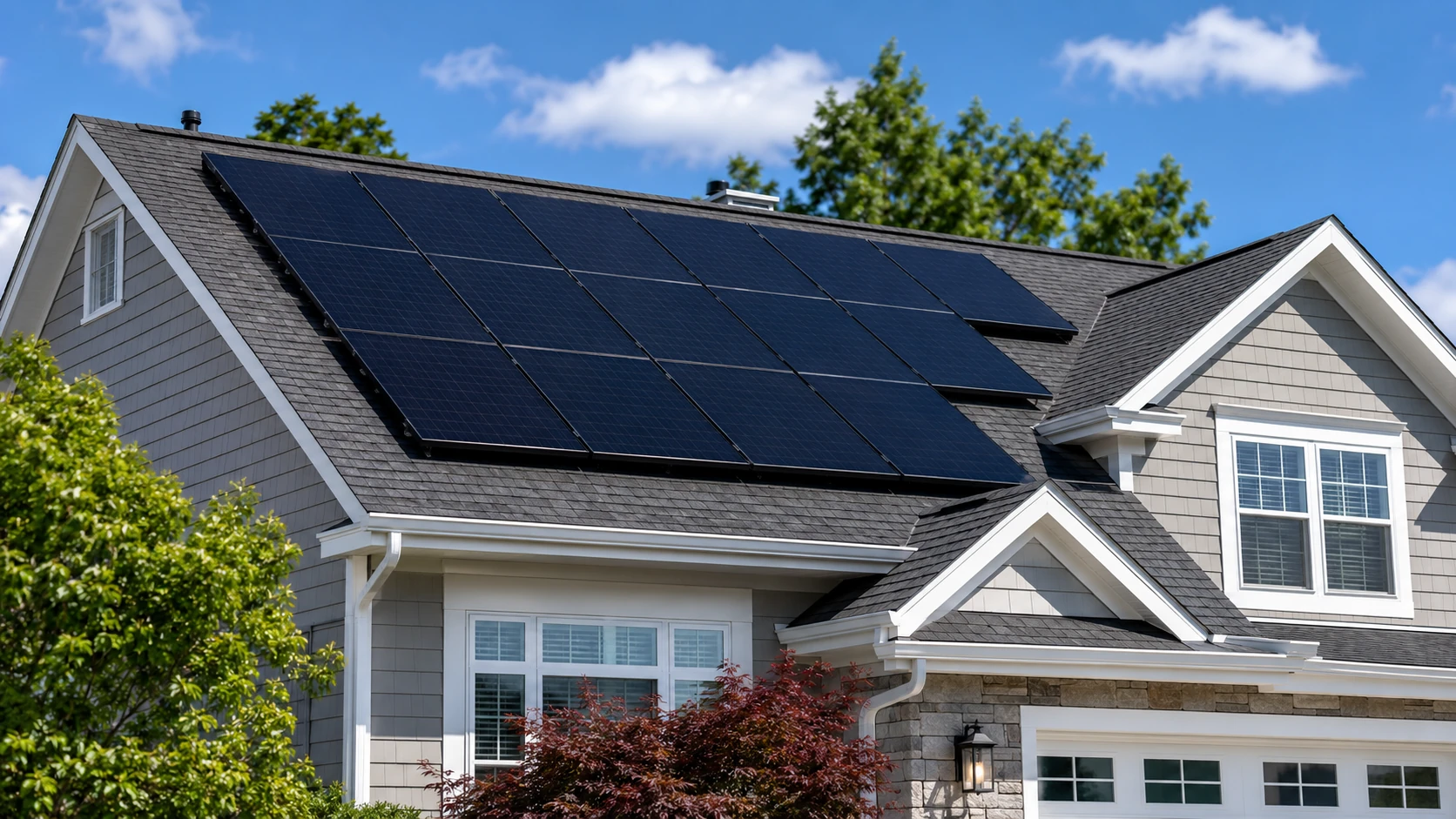
When you buy solar, you'll hear about "25-year warranties" and "30-year guarantees" — but those numbers can mean very different things. A solar system actually comes with several separate warranties, each covering a different part of the deal. Understanding them is one of the best ways to protect a 25-to-30-year investment.
Here's a plain-English breakdown of every warranty that matters, what each one really covers, and the fine print to check before you sign.
The three warranties that matter most
1. Product (equipment) warranty
This covers the physical panel against manufacturing defects — faulty materials, premature failure, that sort of thing. If the panel itself breaks down due to a defect, the manufacturer repairs or replaces it.
- Typical length: 12 to 25 years, with many quality brands now offering 25 years.
- What to check: Whether it covers just the part, or also the cost of shipping and labor to swap it (often it doesn't include labor — more on that below).
2. Performance (power output) warranty
Solar panels slowly produce a little less power each year. The performance warranty guarantees they won't degrade faster than a stated rate.
- Typical promise: The panel will still produce at least about 84-92% of its original output after 25 years, depending on the brand.
- Why it matters: It protects you against panels that fade too quickly. If output falls below the guaranteed curve due to normal degradation, the manufacturer makes it right.
3. Workmanship (installation) warranty
This is the one homeowners overlook — and it's huge. The workmanship warranty covers the quality of the installation itself: the mounting, the flashing, the wiring, and the roof penetrations. It's provided by your installer, not the panel manufacturer.
- Typical length: Varies widely — anywhere from 5 to 25+ years depending on the company.
- Why it matters most: The most common real-world solar problems (roof leaks, loose racking, wiring faults) are installation issues, not panel defects. A strong workmanship warranty is your protection against them.
At Solar Me, we back our workmanship for 30 years — among the longest in the industry — because we stand behind how the job is done, not just the parts. You can read more about our team and approach here.
Don't forget the inverter and battery
Two more warranties round out a typical system:
- Inverter warranty. Inverters work hard and are often the first component to need replacing. String inverters typically carry 10-12 year warranties (sometimes extendable), while microinverters often carry 25-year warranties. If your system uses microinverters or optimizers, ask how they're covered.
- Battery warranty (if you have storage). Batteries are usually warrantied by both years and usage — for example, a set number of years or a total amount of energy "throughput," whichever comes first. Many also guarantee a minimum remaining capacity at end of term.
The fine print that trips people up
Two systems can both advertise "25-year warranties" and offer very different protection. Before you sign, ask about:
- Does it cover labor and shipping? A manufacturer might replace a defective panel for free but not pay to send a crew to your roof to install it. Find out who covers the labor.
- Is it transferable? If you sell your home, can the warranty pass to the new owner? A transferable warranty is a selling point.
- Do you have to register the product? Some manufacturer warranties require registration within a certain window to be valid.
- Who actually honors it? This is the big one — keep reading.
Why your installer's longevity is part of the warranty
Here's the uncomfortable truth: a warranty is only as good as the company standing behind it.
A manufacturer's warranty means little if filing a claim is a nightmare. And a workmanship warranty is worthless if the installer has gone out of business. We see this constantly — homeowners with "25-year warranties" who can't get anyone to honor them because their original installer vanished. (It's such a common problem that we built an entire orphaned-system takeover service around helping them.)
That's why choosing an established, local installer matters as much as the paperwork. A company that's still around — and still answering the phone — is what makes every other warranty actually usable. If you ever do need a claim or a fix, our diagnostics and repair team can help, even if we didn't install your system.
Frequently asked questions
How long is a typical solar panel warranty?Most quality panels carry a product warranty up to 25 years and a performance warranty of about 25 years (guaranteeing ~84-92% output at the end, depending on the brand). Workmanship warranties from the installer vary widely.
What's the difference between a product and performance warranty?The product warranty covers physical defects in the panel. The performance warranty guarantees the panel won't lose power faster than a set rate over time. They're separate protections.
Does a solar warranty cover labor?Not always. Many manufacturer warranties cover the replacement part but not the labor to install it. Always confirm whether labor and shipping are included.
Are solar warranties transferable to a new homeowner?Many are, which adds value if you sell your home — but you may need to register the transfer. Check the specific terms.
What happens to my warranty if my installer goes out of business?Manufacturer warranties (panels, inverters) still stand, but the workmanship warranty may not. A service-focused company like Solar Me can often take over support for orphaned systems.
Get warranties you can actually count on
Before you choose a solar company, ask exactly what each warranty covers — and make sure the company behind it will be around to honor it. Solar Me backs our installations with a 30-year workmanship guarantee and works with trusted, well-supported brands. Request a free consultation and we'll walk you through every layer of coverage in plain English.
