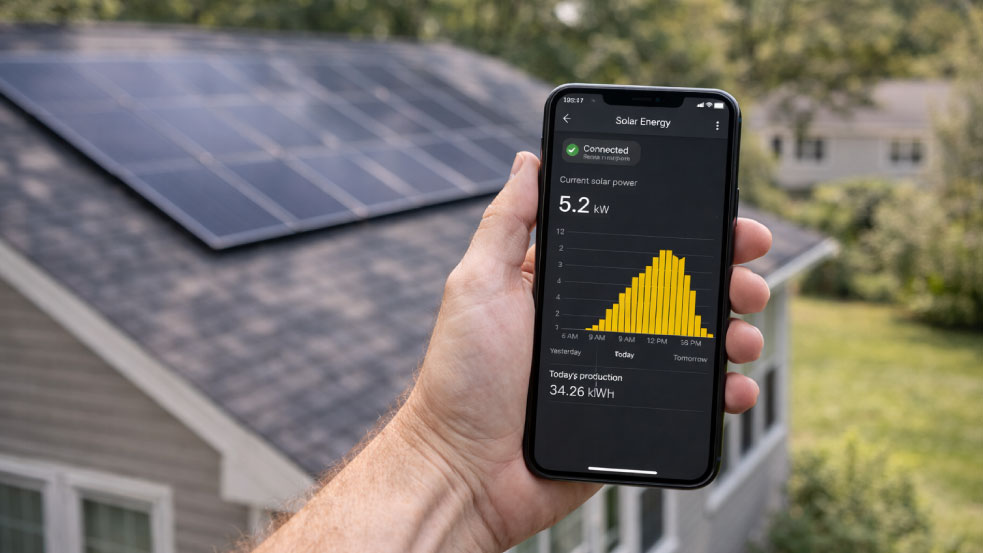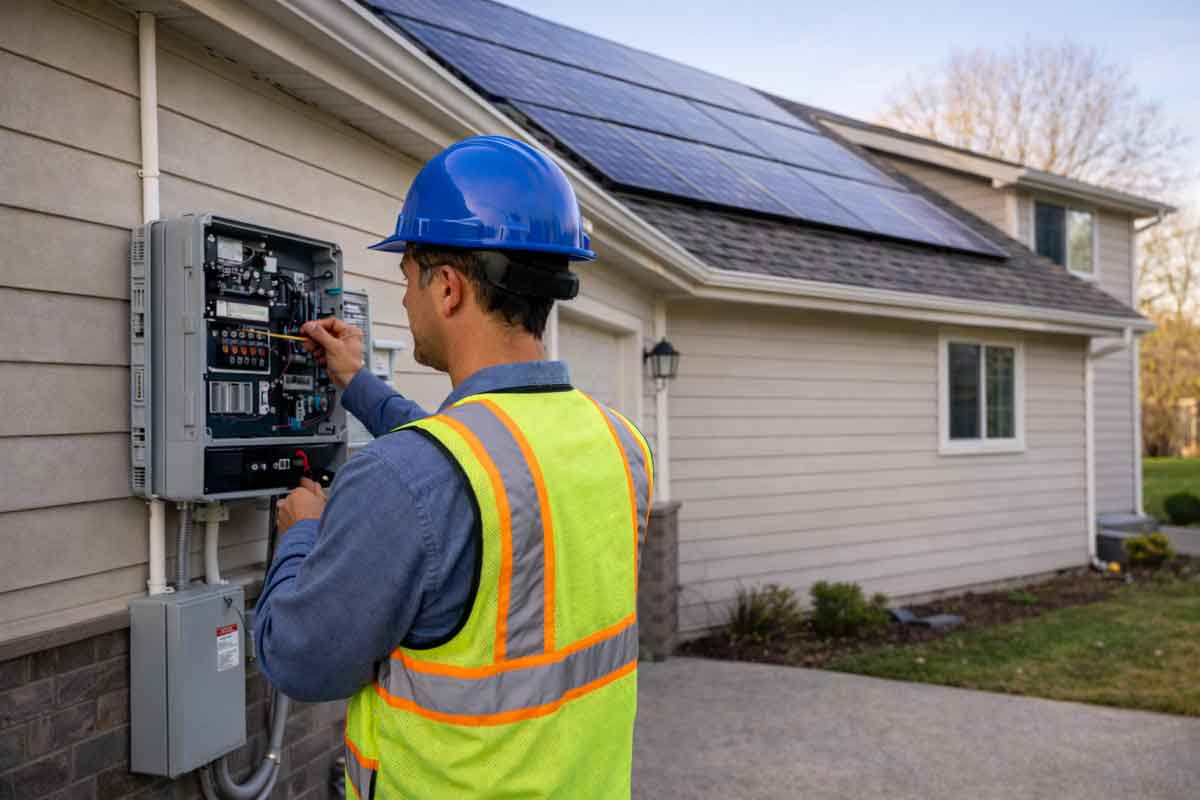
Many homeowners assume that once solar panels are installed, the system will perform the same way year after year. When production drops, it often comes as a surprise.
If your electric bill is creeping back up—or your monitoring app shows lower output than it used to—you’re not alone. Solar systems can and do lose performance over time, but the reasons are usually identifiable and fixable.
This guide walks through the most common causes of reduced solar production and explains what homeowners can do to get their system back on track.
First: How Much Drop in Production Is Normal?
Some change in output is expected.
Solar panels slowly degrade over time, typically around 0.3%–0.7% per year depending on the equipment. Seasonal changes also affect production—winter months naturally generate less energy than summer.
However, sudden drops, ongoing underperformance, or large year-over-year declines usually point to a specific issue that should be addressed.
1. Inverter Problems
The inverter is the most common point of failure in a solar system.
Since it converts solar energy into usable electricity, even minor inverter issues can significantly reduce output. Common inverter-related problems include:
- Complete inverter failure
- Intermittent shutdowns
- Aging or outdated inverter technology
- Communication errors that stop reporting production
If your system shows little or no production during sunny periods, the inverter is often the first thing to check.
2. Monitoring or Communication Failures
Sometimes the system is producing energy—but you can’t see it.
Monitoring systems rely on internet connections and communication hardware. If those connections fail, homeowners may see flatlined graphs or missing data even though the system is still running.
That said, monitoring issues can also hide real performance problems, which is why it’s important to confirm whether low production is a reporting issue or an actual system issue.
3. Panel-Level Underperformance
Individual panels can underperform due to:
- Internal panel defects
- Physical damage
- Long-term degradation
- Electrical connection issues
In systems without panel-level monitoring, one or two weak panels can quietly drag down total production without triggering obvious alerts.
4. Shading That Wasn’t There Before
Trees grow. Landscapes change. Nearby construction happens.
Even partial shading on one section of an array can reduce output, especially on older string inverter systems. What worked perfectly when the system was installed may no longer be ideal years later.
A site evaluation can determine whether trimming, reconfiguration, or equipment upgrades would help.
5. Electrical or Wiring Issues
Solar systems are exposed to years of temperature changes, weather, and electrical load. Over time, components like wiring, junction boxes, and breakers can degrade or loosen.
These issues don’t always cause total failure—but they can quietly reduce performance and, in some cases, create safety concerns.
6. System Was Never Sized Correctly
In some cases, the system isn’t broken—it was simply designed for a different usage profile.
Common reasons this happens:
- Homeowners add EVs, heat pumps, or additional appliances
- Family size or energy habits change
- Electric rates increase, changing cost expectations
The system may still be working as designed, but no longer meeting current needs.
7. Age and Outdated Technology
Older systems often use:
- Early-generation inverters
- Limited monitoring capabilities
- Less efficient panel designs
While these systems can still function, newer technology can often extract more usable energy, provide better visibility, and support upgrades like battery storage.
How to Figure Out What’s Actually Going On
Rather than guessing, a system evaluation can clarify:
- Whether the system is producing correctly
- Where losses are occurring
- Whether repairs or upgrades make sense
- What options exist without replacing everything
This usually starts with reviewing production data, inspecting equipment, and comparing expected vs. actual output.
Repair, Upgrade, or Leave It Alone?
Not every underperforming system needs major work.
Some issues are simple fixes. Others may point toward selective upgrades, such as inverter replacement or improved monitoring. In many cases, homeowners are surprised to learn their system can be improved without starting over.
The key is understanding what’s actually happening before making decisions.
Getting Help If Your System Isn’t Producing as Expected
If your solar system isn’t producing like it used to and you want help figuring out why, we can certainly help.
You’re welcome to call (844) 647-0401 or request a call back, and we’ll take care of you.