

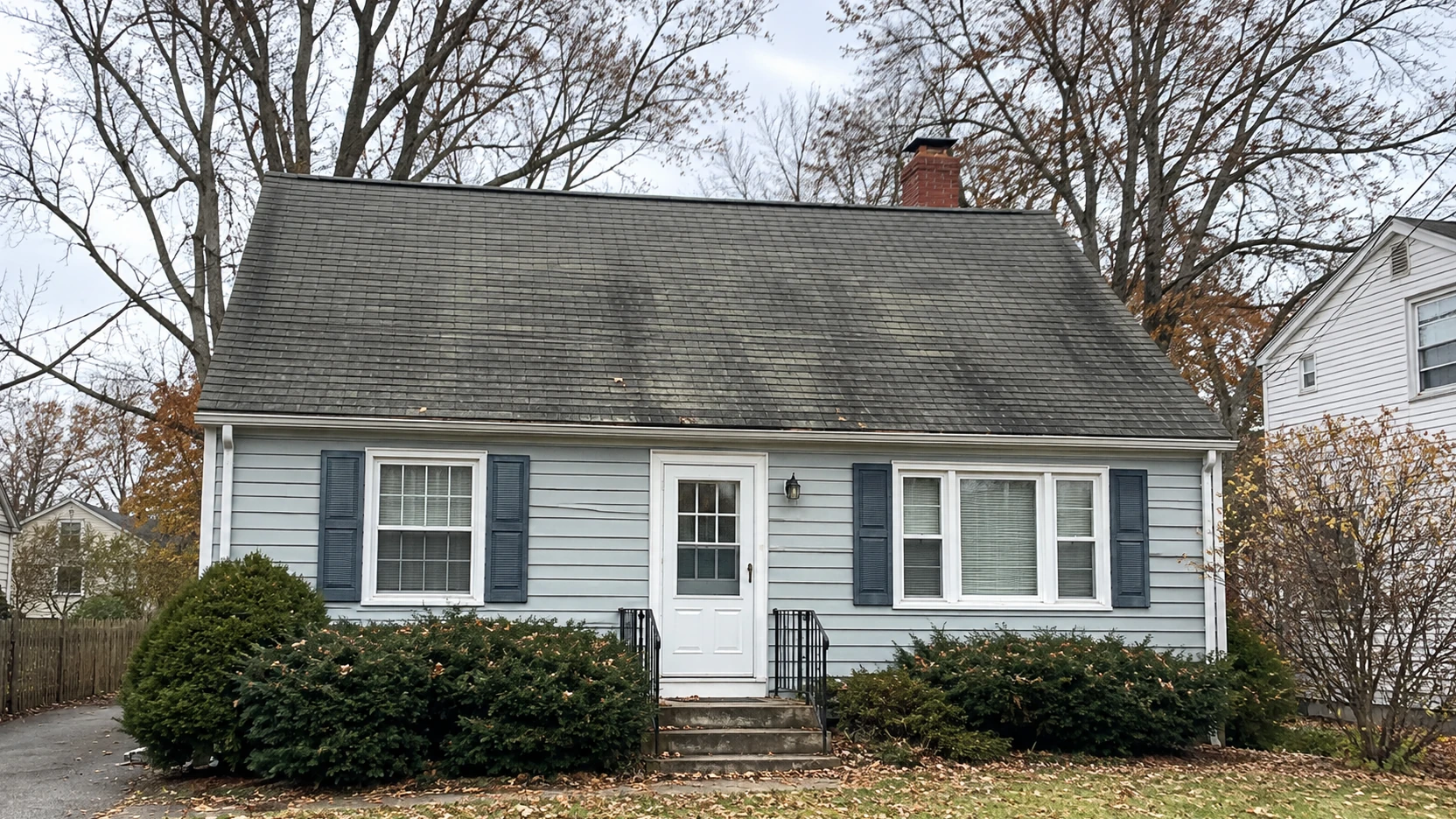
"It depends" is the usual answer to how long a roof lasts. Here are real numbers instead. Most New Jersey homes have asphalt shingle roofs, and those typically last around 20 to 30 years. Where yours lands depends on the product, the installation, and how hard New Jersey weather has been on it.
Roof lifespan by material
Typical life expectancies from InterNACHI, the home inspectors' association:
- Asphalt shingles, 3-tab (flat, single-layer): about 20 years
- Asphalt shingles, architectural (thicker, dimensional): about 30 years
- Wood shingles or shakes: about 25 years
- Metal: 40 to 80 years
- Slate: 60 to 150 years
- Clay or concrete tile: 100+ years
GAF, the shingle manufacturer whose Timberline HDZ shingles we install, says most residential roofs need replacing about every 20 to 25 years. Flat sections over porches or additions typically use EPDM rubber (about 15 to 25 years) or modified bitumen, an asphalt-based rolled membrane (about 20 years).
The parts age differently
- Underlayment: the waterproof layer under the shingles, and the last line of defense once shingles wear thin.
- Flashing: the metal at chimneys, walls, and valleys (where two slopes meet). It often fails where the mortar or sealant around it gives out. See our roof flashing repair guide.
- Pipe boots: rubber collars around plumbing vents that often crack well before the shingles wear out.
- Skylights: typically 10 to 20 years.
That's why a 12-year-old roof can leak without needing replacement, and why a targeted repair is often the right first step.
What shortens a roof's life in New Jersey
- Freeze-thaw cycles that widen small cracks every time water freezes.
- Ice dams, when attic heat melts snow that refreezes at the cold edge and backs water under the shingles.
- Poor attic ventilation, which bakes shingles from below and lets moisture rot the roof deck (the plywood the shingles are nailed to). Shingle warranties typically don't cover damage caused by inadequate ventilation.
- Sun and heat on south and southwest facing slopes.
- Wind from nor'easters and summer storms, plus salt air near the Shore.
- Trees that scrape shingles and hold moisture against the roof.
- Clogged gutters that back water up at the edge.
How to get more years out of your roof
- Inspect regularly. We recommend a professional inspection at least once every two years and after major storms, snow, or hail.
- Keep gutters clear, especially before winter.
- Trim overhanging branches. We offer tree trimming for exactly this reason.
- Fix leaks right away, before they soak the deck and insulation.
- Skip the pressure washer, which can strip the granules (the sand-like coating that shields shingles from the sun).
Curling or missing shingles, lots of granules in the gutters, recurring leaks, or sagging are the classic signs, especially on a roof approaching 20 years old. Our NJ roof replacement cost guide covers the signs and current prices.
Can you replace a roof in winter?
Often, yes, with some care:
- Sealing. GAF recommends installing shingles at 40°F or warmer. Below that, the adhesive strip may not seal until warmer weather, so GAF calls for hand-sealing with an approved asphalt roofing cement.
- Brittleness. Cold shingles are stiffer and should be stored warm and handled carefully.
- Snow and ice. The deck must be clear and dry, so work happens around weather windows.
If your roof is leaking or storm damaged, don't wait for spring; a winter of water damage costs more than cold-weather work. If it's simply aging but watertight, late spring through fall is the easiest window, and planning now gets you on the schedule before the busy season.
Planning solar? Check the roof first
Solar panels are built to last 25 years or more. If your roof is well into its life, replace it before the panels go on so you aren't paying to remove and reinstall them in a few years. We offer solar and new roof bundles with $0-down financing options.
Frequently asked questions
How long does a roof last in New Jersey?
Most NJ homes have asphalt shingles, which typically last about 20 to 30 years. Architectural shingles usually outlast the older 3-tab style.
What shortens the life of a roof?
Freeze-thaw cycles, ice dams, poor attic ventilation, strong winds, overhanging trees, and clogged gutters are the big ones in New Jersey.
Can a roof be replaced in winter?
Often, yes. Shingles seal best above about 40°F; below that, GAF calls for hand-sealing them with roofing cement. A leaking roof shouldn't wait for spring.
How often should a roof be inspected?
We recommend at least once every two years, plus after major storms, heavy snow, or hail.
Find out how many years your roof has left
SolarMe's free roofing inspection checks your shingles, flashing, and ventilation and flags any issues, so you know whether a repair or a replacement makes sense. If it is time, our GAF Certified Professionals install GAF Timberline HDZ shingles, and we can bundle a new roof with solar with $0-down financing options.
Book your free SolarMe roofing inspection and plan your roof on your schedule, not the weather's.
